Sin categoría
Serena conduce operaclassica eco italiano
A
admin
13 de junio, 2025

| «Tosca è la storia di un abuso, che sembra normale» |
| Stefania Panighini racconta e anticipa la sua TOSCA L’opera inaugura Il suono di Trieste 29 giugno, 1 e 4 luglio |
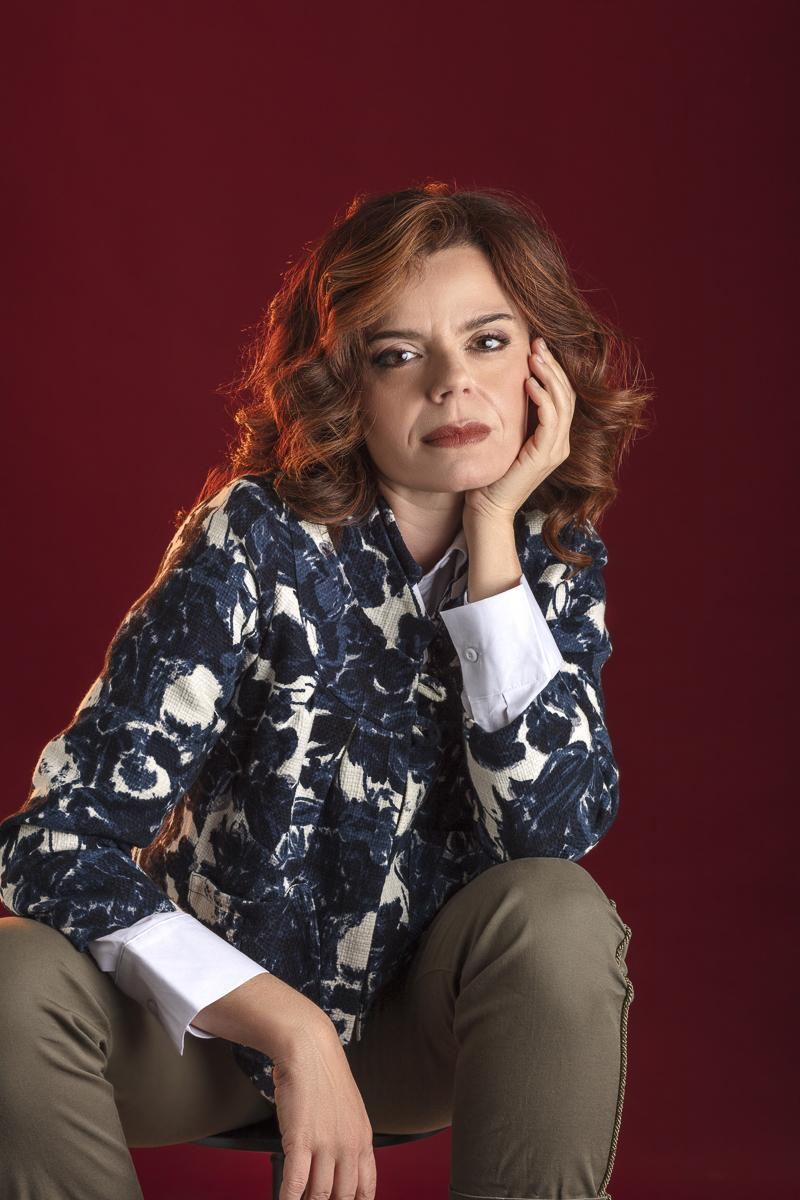
| Stefania Panighini © Paolo Tangari |
| «L’abbiamo sempre vista così! Tosca è la storia di un abuso, che sembra normale. Lo guardiamo da più di cento anni, come se fosse un’azione – certo orribile e tremenda – ma tutto sommato naturale, nell’ordine delle cose, perché così va il mondo!» Con queste parole incisive Stefania Panighini, regista torinese protagonista della scena teatrale da vent’anni, presenta la sua prima Tosca. L’opera andrà in scena il 29 giugno,con repliche 1 e 4 luglio,nell’ambito della stagione estiva “Il suono di Trieste” del Teatro Verdi, nel suggestivo Castello di San Giusto. Stefania Panighini aggiunge altre considerazioni sulla sua visione di quest’opera:«L’antichità classica e la filosofia platonica hanno segnato questo scarto tra i sessi, che sembra sempre più incolmabile, soprattutto ora che apparentemente pensiamo di essere vicini alla parità. Tosca è un’opera ancora attuale, soprattutto per noi, per il pubblico, perché mostra la nostra incapacità di ribellarci veramente davanti a un abuso, l’assoluta fissità congelata delle nostre reazioni. Tosca evoca, senza paura, l’insopportabile stasi delle relazioni tra uomini e donne, così come fanno i meravigliosi affreschi dei fratelli Carracci a Palazzo Farnese: l’intento neoclassico è quello di raccontare un mondo mitico, dove donne e uomini seminudi si muovono tra guerre e simposi idilliaci, la donna però, altro non è – ancora una volta – che corpo sinuoso usato per il diletto tra una guerra e l’altra. Così i Carracci, nel trionfo della loro maniera, sono l’impalcatura del racconto: le immagini sacre e seducenti allo stesso tempo raccontano un rapporto con un Dio onnipresente, in chiaroscuro: le ombre scoprono il libertinismo di Scarpia o la clandestinità di Angelotti, mentre le luci svelano la sensualità di Tosca e l’arte di Mario. La donna resta però solo un’idea, quel femminile che affascina e conturba, che distrae e attrae, che costringe alla violenza, quel femminile che è un’ossessione morbosa da cui si tenta di sfuggire, oppure un giocattolo vezzoso, con cui trascorrere il tempo. Nient’altro che un’idea». Il nuovo allestimento si avvale delle scene di Nicolò Cristiano, dei costumi di Chiara Barichello e del light design di Emanuele Agliati. Nel cast spiccano i tre protagonisti: Elena Pankratova, Fabio Sartori e Ambrogio Maestri. Orchestra e Coro della Fondazione Teatro Lirico Giuseppe Verdi di Trieste e il coro «I piccoli cantori della Città di Trieste” (preparato da Cristina Semeraro)sono diretti dal Maestro Enrico Calesso. |
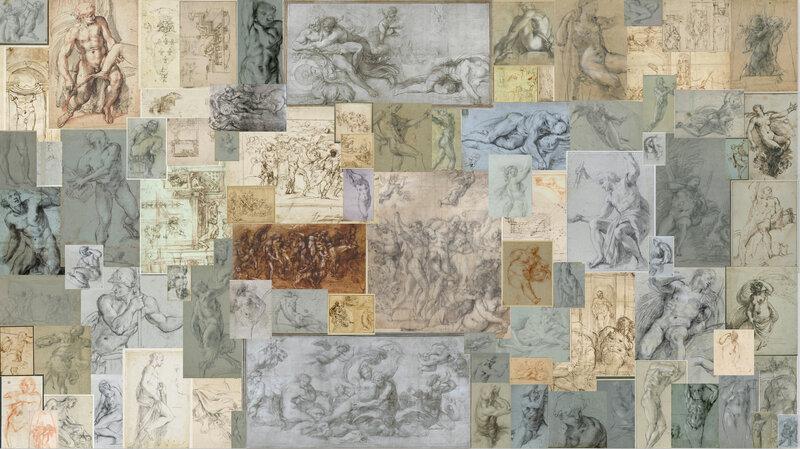 |
| Carracci sketches |
| «We’ve always seen it as such! Tosca is a seemingly normal story of abuse. We’ve been looking at it in this way for over a hundred years, as if it were an act (hideous and horrendous, certainly) but, all in all, natural, the way things are, because that’s the way of the world!» With these trenchant words, Turin-born director Stefania Panighini, a prominent figure on the theatrical scene for the last twenty years, presents her first Tosca. The opera premieres on 29th June, with repeat performances on 1st and 4th July, as part of Teatro Verdi’s summer season, «Il suono di Trieste», at the evocative Castle of San Giusto. Stefania Panighini offers further insights into her vision for this work:«Classical antiquity and platonic philosophy have shaped the difference between the sexes, which seems to be ever widening, especially now that we apparently think we’re getting close to equality. Tosca is an opera that is still relevant today, especially for us, for the audience, because it shows our inability truly to rebel against abuse, the absolute frozen rigidity of our reactions.Tosca fearlessly evokes the unbearable stagnation in relationships between men and women, just as the marvellous frescoes by the Carracci brothers in Palazzo Farnese do. The intent of Neoclassicism is to narrate a mythical world, where semi-nude men and women move between wars and idyllic symposia, in which the woman, however, is nothing yet again but a sinuous body to be used for pleasure between one war and another Thus, the Carracci brothers, in the triumph of their style, are a scaffold for this story. These pictures, sacred and seductive at the same time, tell of a relationship with an omnipresent God in chiaroscuro. The shadows reveal Scarpia’s libertinism and Angelotti’s secrecy, while the light reveals Tosca’s sensuality and Mario’s art. Throughout it all, nonetheless, the woman is just an idea: of womanhood that fascinates and perturbs, attracts and distracts, that compels violence; womanhood that is a morbid obsession from which to attempt escape, or else an enticing plaything, with which to pass the time. Nothing more than an idea.» The new staging features sets by Nicolò Cristiano, costumes by Chiara Barichello and lighting design by Emanuele Agliati. The cast features Elena Pankratova, Fabio Sartori and Ambrogio Maestri in the three leading roles. The Orchestra and Chorus of the Fondazione Teatro Lirico Giuseppe Verdi di Trieste, along with the children’s choir «I Piccoli Cantori della Città di Trieste» (prepared by Cristina Semeraro) are conducted by Maestro Enrico Calesso. |
Giulia Ambrosio giulia.ambrosio23@gmail.com Miriam Quaranta miriam@pressroom.cloud+39 333 9263 309 PressRoom – Press Office for Stefania Panighini www.stefaniapanighini.it |
Publicidad