Sin categoría
Serena conduce operaclassica eco italiano
A
admin
12 de julio, 2025

| Riccardo Frizza conducts Roberto Devereux in Naples 16, 19, 22 July | Teatro di San Carlo |
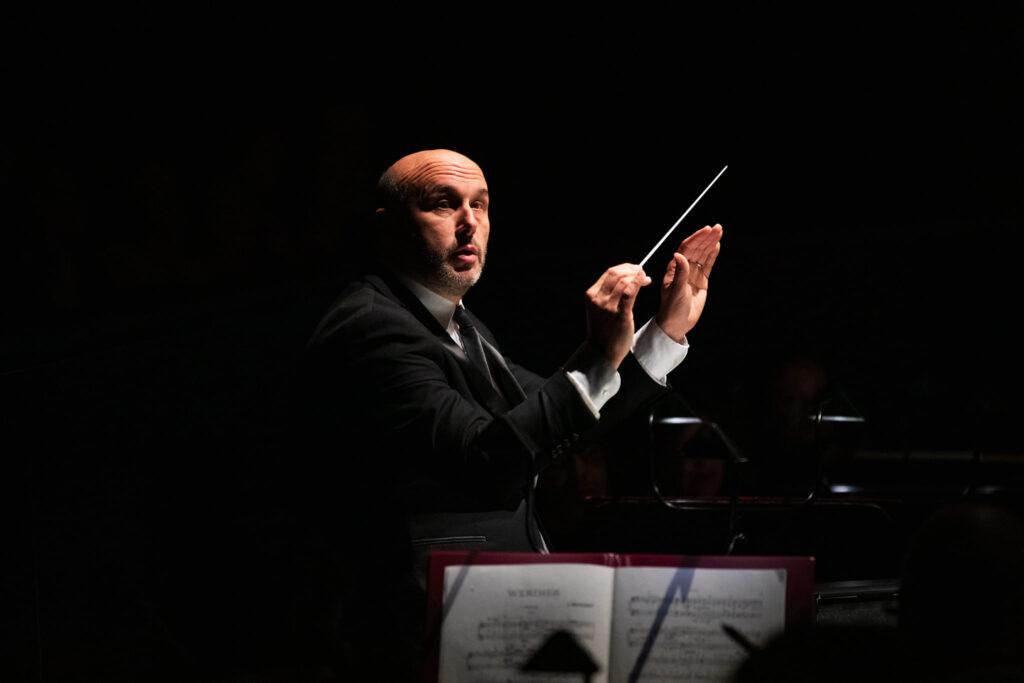 |
| Riccardo Frizza © Andrea Ranzi |
| 🇬🇧 Riccardo Frizza returns to the Teatro di San Carlo to conduct Roberto Devereux, the final chapter in the Donizetti cycle dedicated to the Tudor Queens which began in 2023. Having been a central figure in the project from the start, he now brings it to its conclusion on the Neapolitan stage on 16, 19 and 22 July. The Maestro shares his thoughts on the opera: «Roberto Devereux, composed in Naples ‘in the time of cholera’ in 1837, intensifies and sums up the trilogy that Donizetti devoted to the Tudor queens (prior to it came Anna Bolena and Maria Stuarda), and in many ways the whole compositional style of this son of Bergamo. It also left an indelible mark on his personal life which, as we know, was not the happiest. In that year, which represented a watershed moment, he lost his beloved Virginia and their newborn child and, against a backdrop of utter grief (‘I will be unhappy forever’, he wrote in a letter to his brother-in-law), the success of Devereux at the Teatro San Carlo on 28th October brought him satisfaction and acted as a lifeline. The Neapolitan audience immediately fell in love with the opera, appreciating the libretto too, to the extent that the accomplished Cammarano took his curtain call alongside the composer and the musicians. The work’s success continued more or less throughout the 1800s but it was the Donizetti Renaissance of the 1900s that gave the opera its permanent place in the repertoire, making it a cornerstone of romantic opera and a port of call for the vocal and theatrical virtuosity of any prima donna called on to sing the arduous role of Elisabetta. From Giuseppina Ronzi De Begnis, who was the first to interpret her, until today, the most magnificent Belcanto singers have put themselves to the test in the role as this figure, so modern, full of chiaroscuro contrast, tormented within, a woman and a queen, a mighty Donizetti character.The boldness of the score is no less striking. Donizetti matched the urgent pace imposed by the action on stage. Subsequently, upon the work’s revival at the Théatre Italien in Paris in 1838, he rewrote only the very short initial prelude, making it truly symphonic in nature (one of his most beautiful, effective compositions, which we have chosen to perform here in Naples).I consider it a great privilege to be conducting Roberto Devereux yet again, this time in the city where Donizetti has left his mark in countless ways, starting with the actual manuscript of this opera, preserved at the Library of the Conservatorio di San Pietro a Majella. For the same reason, I am grateful to the San Carlo for having allowed me to present the full Tudor Trilogy here in Naples between 2023 and today.» |
 |
| © Teatro di San Carlo |
| 🇮🇹 Riccardo Frizza torna al Teatro di San Carlo per dirigere Roberto Devereux, ultima tappa del ciclo donizettiano avviato nel 2023 e dedicato alle Regine Tudor: un progetto che lo ha visto protagonista sin dall’inizio e che giunge ora al suo compimento sul palcoscenico napoletano il 16, 19 e 22 luglio. Il Maestro dice di quest’opera: «Roberto Devereux, composto a Napoli “ai tempi del colera” del 1837, esalta e compendia la trilogia che Donizetti compose sulle regine Tudor (prima c’erano state Anna Bolena e Maria Stuarda), per tanti versi lo stesso stile compositivo del Bergamasco, segnandone irrimediabilmente anche la vita personale che, come sappiamo, non fu tra le più felici. In quell’anno di svolta, perse la sua amata Virginia e il loro bimbo neonato e, in uno stato di assoluta prostrazione (“Io sarò infelice eternamente”, aveva scritto in una lettera al cognato) il successo riscosso al San Carlo il 28 ottobre dal Devereux fu una soddisfazione e un’àncora. Il pubblico napoletano amò subito quell’opera, apprezzandone anche il libretto, al punto che il bravo Cammarano venne chiamato alla ribalta insieme al compositore e agli interpreti. Il successo continuò un po’ per tutto l’Ottocento ma è stata la Renaissance novecentesca di Donizetti ad imporre definitivamente l’opera nel repertorio, facendone un cardine della drammaturgia romantica e un approdo per il virtuosismo vocale e attoriale della primadonna chiamata a cantare l’impervia parte di Elisabetta: da Giuseppina Ronzi De Begnis che la interpretò per prima, fino ad oggi, le più superbe belcantiste si cimentano con quella figura così moderna, piena di chiaroscuri, dilaniata interiormente, femmina e regina, donizettiana all’ennesima potenza.L’audacia della partitura non è da meno. Donizetti assecondò il ritmo scenico stringente, mettendo mano successivamente solo al brevissimo preludio iniziale per farne una Sinfonia vera e propria in occasione della ripresa al Théâtre Italien di Parigi del 1838 (peraltro, componendo così una delle sue più belle e riuscite che abbiamo scelto di eseguire qui a Napoli).Considero un grande onore dirigere proprio al Teatro di San Carlo questo mio ennesimo Roberto Devereux, nella città dove le tracce del passaggio del Bergamasco sono innumerevoli, a partire proprio dal manoscritto di quest’opera che è custodito nella Biblioteca del Conservatorio di San Pietro a Majella. Per gli stessi motivi, sono grato al Massimo napoletano per avere potuto presentare qui, dal 2023 ad oggi, l’intera Trilogia Tudor». |
| Find out more:www.riccardofrizza.comwww.teatrosancarlo.it/en/events/roberto-devereux/ |
Giulia Ambrosiogiulia.ambrosio23@gmail.com Miriam Quaranta miriam@pressroom.cloud+39 333 9263 309 Press Office for Riccardo Frizza |
Publicidad