Il Silenzio: il potere di percepire le Verità nascoste della Vita
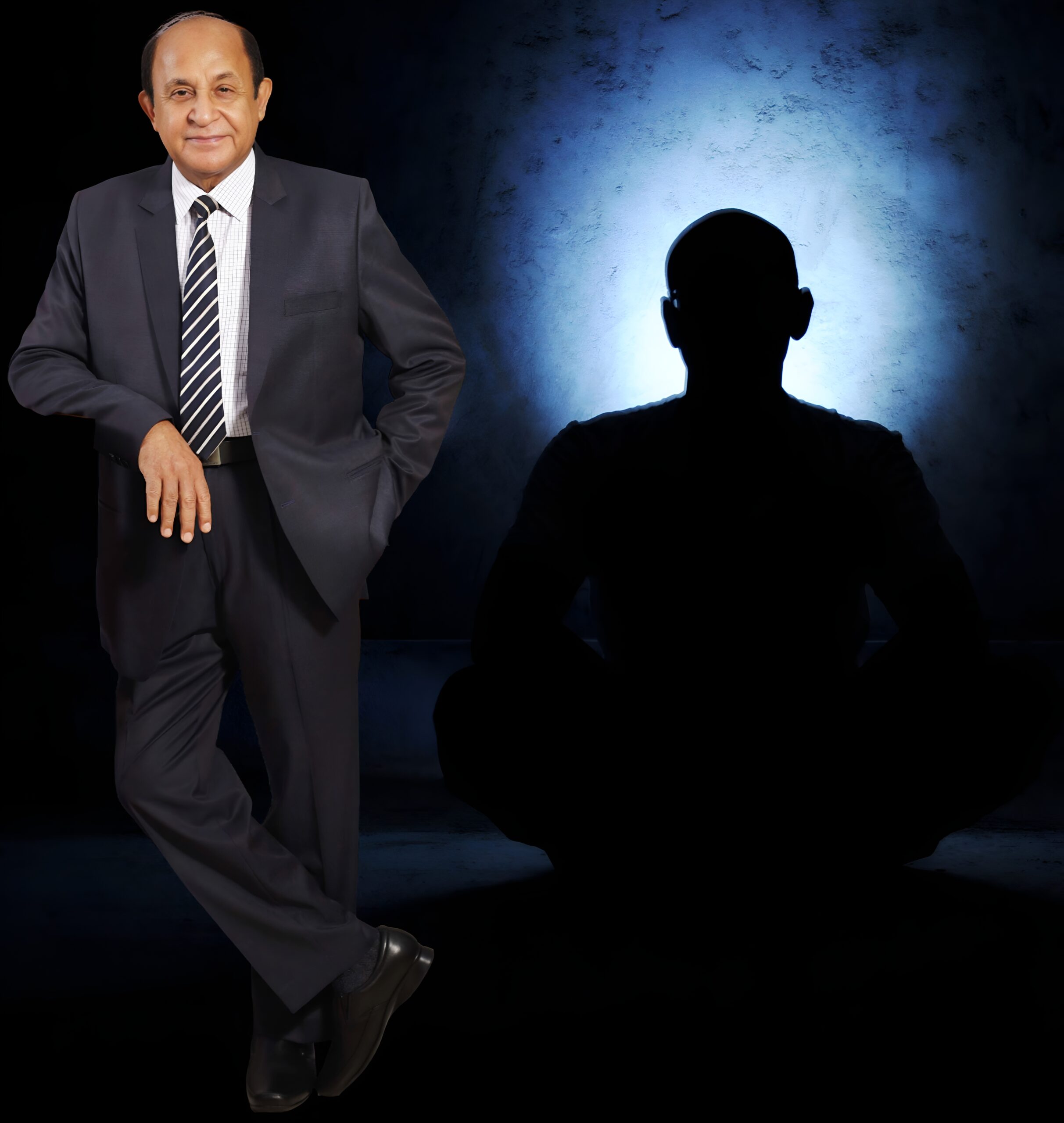
by Krishan Chand Sethi
La maggior parte delle persone pensa che il silenzio sia semplicemente l’assenza di suono o la mancanza di espressione. Ma, in una prospettiva più profonda, quando siamo in silenzio, diventiamo più consapevoli. Nel silenzio si percepisce con maggiore chiarezza, si pensa in modo meno reattivo e si comprende nella forma più sottile e autentica. L’essere umano vive nel flusso sempre mutevole di parole, pensieri e comunicazione; ma nel silenzio inizia a emergere, dolcemente ma con certezza, un altro livello della realtà. Le persone usano la parola per comunicare; la comunicazione è linguaggio. Le parole vengono utilizzate per spiegare, giustificare, connettere e, a volte, anche per proteggere le persone da un’ulteriore esposizione.
Tuttavia, il linguaggio è certamente limitato nelle sue capacità. Esiste un limite alla complessità dell’esperienza interiore che può contenere. Emozioni, intenzioni, paure, contraddizioni e conflitti silenziosi possono essere solo parzialmente espressi. Ciò che viene ascoltato è sempre solo una parte di ciò che viene realmente sentito. Questo significa che la comunicazione umana è sempre, allo stesso tempo, espressione e occultamento. Osservando, osservando ancora e riflettendo sulla vita, si arriva a comprendere che, con il tempo, non si acquisisce necessariamente più conoscenza semplicemente parlando di più. In effetti, a volte l’espressione verbale costante può far percepire meno. Ho avuto momenti nella mia vita in cui sentivo di non riuscire a riflettere a causa dell’eccesso di parole. I momenti di silenzio, anche solo per pochi secondi, spesso portavano una chiarezza inaspettata. In contrasto con i momenti di discussione, i momenti di silenzio – soprattutto quelli brevi – portavano spesso una lucidità sorprendente. È in questa esperienza che il silenzio non appare più come “inudibile”, ma come “consapevole”.
È qui che entra in gioco il potere del silenzio. Più la percezione è raffinata, minore è l’attività verbale esterna. La mente inizia a osservare, non interpreta immediatamente. Non reagisce semplicemente alle parole o alle situazioni, ma comincia a notare le pause, il tono, i cambiamenti emotivi e i sottili schemi del comportamento. Lentamente si comprende che la comunicazione non è solo verbale e che esiste una comunicazione anche in assenza di parole. Quando l’espressione umana viene osservata attentamente, spesso si scopre che le persone rivelano ciò che non dicono o ciò che non comprendono pienamente. Prima di assumere forma verbale, paura, incertezza, orgoglio, tristezza e persino desiderio vengono spesso modificati. Di conseguenza, la realtà interiore è spesso una versione controllata del linguaggio parlato.
Nel silenzio, questi livelli diventano più evidenti. Il silenzio non impone interpretazioni, ma crea spazio per l’osservazione. In quello spazio, la chiarezza della comprensione emerge spontaneamente. Spesso una pausa nel discorso, un cambiamento nell’espressione, una domanda evitata o un’esitazione non espressa comunicano ciò che non può essere detto a parole. Nella mia esperienza personale, ho notato che quando non parlo, non penso e non agisco, riesco a percepire queste dimensioni sottili; ma quando partecipo attivamente a una conversazione o al pensiero, non riesco a sentirle. Così il silenzio diventa un veicolo attraverso il quale una verità umana più profonda può essere percepita. Il silenzio modifica anche la dinamica tra mente e pensiero dal punto di vista psicologico. La mente umana normalmente opera in un flusso continuo di dialogo interiore. Spesso i pensieri corrono rapidamente, stimolati da emozioni, ricordi o eventi esterni. Ma nel silenzio questo flusso rallenta. La mente non viene più vissuta solo internamente, ma osservata dall’esterno, come se si stesse guardando la mente invece di esserne completamente immersi.
La scelta di passare dal partecipare all’osservare è fondamentale. Più i pensieri vengono osservati senza essere assorbiti, maggiore è la chiarezza che emerge. È evidente che non tutti i pensieri sono veri. Alcuni sono schemi ripetitivi, altri reazioni emotive e altri ancora risposte condizionate dall’esperienza passata. Ho visto personalmente che molti pensieri diventano meno pressanti e più silenziosi quando vengono osservati. Essi arrivano, rimangono e scompaiono senza necessità di risposta. Il pensiero non scompare quando non viene espresso, ma si rivela. Qui nasce una forma più pacifica di comprensione. Non richiede pensiero né verbalizzazione. Piuttosto emerge come percezione immediata. Questo tipo di conoscenza non è verificabile né esprimibile a parole; è semplicemente una chiarezza nella consapevolezza. È una modalità di conoscenza immediata, ma non costruita. Questo processo inizia dentro l’individuo, ma influenza la vita esterna nelle relazioni e nella percezione sociale. Le persone tendono a essere più sensibili all’onestà emotiva quando sono in silenzio. Le differenze tra ciò che viene detto e ciò che si intende diventano più evidenti. L’espressione umana non viene più percepita solo superficialmente, ma su più livelli e dimensioni.
Per esempio, una persona può non sembrare sicura nel parlare perché è insicura, oppure può essere silenziosa perché è riflessiva. Anche la soppressione delle emozioni può essere un segno di controllo. Ascoltando, ho scoperto che si può diventare più sensibili e comprendere meglio le situazioni, andando oltre la superficie del comportamento umano. Qui emerge anche un apprendimento riflessivo: a volte è sufficiente osservare gli altri per comprenderli; a volte non è necessario reagire. Questa consapevolezza non interferente è possibile solo nel silenzio. Permette di osservare senza giudicare o reagire immediatamente. Allo stesso tempo, il silenzio rafforza anche la consapevolezza di sé. Quando la capacità di esprimersi diminuisce, l’attenzione si rivolge naturalmente verso l’interno. La persona inizia a percepire più chiaramente i propri processi mentali ed emotivi. Si crea una lieve separazione tra consapevolezza e pensiero; non si è completamente immersi nei pensieri. In questo stato, l’identificazione non è più vissuta come qualcosa “scritto” nel pensiero o nell’espressione. L’identità viene invece percepita come una consapevolezza fluida che osserva pensieri, emozioni e reazioni mentre emergono e svaniscono. Nella mia esperienza personale, ho visto chiaramente che non sono i miei pensieri, ma la consapevolezza in cui i pensieri sorgono.
Dal punto di vista filosofico, questo significa che il silenzio non è una condizione passiva, ma uno stato attivo di coscienza. Nella vita umana, sia il parlare che il silenzio sono necessari. Il parlare è indispensabile per la comunicazione, la socializzazione, l’espressione emotiva e la comprensione. Ma la sola parola non porta una comprensione completa. Per profondità e significato, il silenzio è necessario. Il silenzio permette riflessione, integrazione e comprensione più profonda. Non sostituisce la comprensione con il sentimento immediato. In questo senso, silenzio e parola non sono opposti, ma aspetti complementari dell’essere umano. Uno esprime la vita verso l’esterno e l’altro verso l’interno.
Da una prospettiva generale, coloro che imparano gradualmente a bilanciare espressione e silenzio sviluppano una comprensione della realtà più complessa. Diventano meno reattivi e più attenti. Cominciano a vedere schemi emotivi e psicologici negli altri e in se stessi. La comprensione diventa non tanto interpretazione, quanto presa di coscienza. Questo cambiamento l’ho vissuto personalmente. Più rimanevo in silenzio in certi momenti, meno sentivo il bisogno di spiegare tutto immediatamente. Ho iniziato a lasciare che le esperienze e i pensieri si depositassero prima, per poi arrivare alle conclusioni. Questo piccolo cambiamento ha trasformato la natura della comprensione: più tranquilla, più profonda e meno frammentata. Non è mancanza di comunicazione, ma espansione della percezione—questo è il silenzio. Non rifiuta il linguaggio, ma lo trascende. Senza suono non si costruisce significato, ma rimane pura consapevolezza. Questo significa che il silenzio è un agente di trasformazione che rende le verità nascoste più accessibili dentro le persone e nelle relazioni umane.
In definitiva, il silenzio è un mezzo per andare oltre il linguaggio verso quella dimensione dell’esperienza umana che non è espressa a parole. Mostra la profondità dell’espressione, la complessità del comportamento e la chiarezza del pensiero. Le parole definiscono e comunicano, ma il silenzio percepisce e comprende. Insieme formano il sistema completo della coscienza umana, ma è spesso il silenzio a permettere alla verità di emergere nella sua forma più sottile e autentica.
Dr Sethi K.C. – Autore
Ideatore della Filosofia Sethiana
Auckland – Nuova Zelanda (Camp)
Daman – India
(English Version)
Silence: The Power to Perceive the Concealed Truths of Life.
Most people think that silence is the absence of sound or the lack of expression. But, in a more profound way, when we are silent, we are more aware. In silence one perceives more clearly, thinks less reactively and one understands in its most subtle and authentic form. The human being lives in the ever-changing flow of words, thoughts and communication; but in silence another realm of reality starts to emerge softly yet surely.
People are using speech for communication, communication is speech. Words are employed to explain, justify, connect and at times even to shield people from further exposure. Language is to be sure, however, limited in its capacities. There is a limit to the intricacy of inner experience that it can hold. Emotional, intentional, fear, contradiction, and silent conflicts may only be partially expressed. Always what is heard is but a part of what is felt. This means that human communication is all the time expressed and concealed at the same time.
As one observes, observes, observes, and reflects upon life, one comes to understand that, over time, one doesn’t necessarily acquire more knowledge by speaking more. In fact, sometimes verbal expression can make people percieve less when it is always happening. I have had times in my life when it seemed I couldn’t reflect because of the amount of talking I did. Moments of silence, even a few seconds, often brought unexpected clarity, in contrast to the moments of discussion.In contrast to the moments of discussion, moments of silence; the brief ones, especially often brought unexpected clarity. It is in this experience that the silence no longer seems to be «inaudible”
but “aware».
This is where the power of silence comes in. The more refined is the perception, the less is the external verbal activity. The mind starts to observe, it is not immediately interpreting. Does not simply react to words or situations, but begins to notice pauses, tone, emotional shifts and subtle patterns of behavior. Slowly you realise that communication is not just verbal and that there is communication going on despite the absence of words.
When the expression of human beings is interpreted, it is often what they don’t say or feel, or can’t comprehend, that they reveal. Before being in the form of words, fear, uncertainty, pride, sadness and even desire are often altered. Consequently, inner reality is more often than not spoken language, thus a controlled version of it.
In silence, these layers will become more apparent. Does not impose interpretation, but provides room for observation. There the clarity of understanding comes up spontaneously. Often a pause in speech, a change in expression, an avoided question or an unspoken hesitation will communicate something that would not be communicated in words. What I have seen in myself, is that if I do not say anything, if I don’t think anything, if I do not do anything, I can feel these subtle dimensions, but if I actively participate in a conversation, in the thought, then I cannot feel them.
Thus silence can be a vehicle for a more profound human truth to be heard.
Silence also alters the dynamics between mind and thought from a psychological point of view. The human mind normally works continuously with a stream of internal dialogue. Frequently thoughts race through the mind, emotional or memory-based or stimulated by external events. But in the dark this stream slows down, The mind is no longer experienced internally, but it is seen externally as it were, so to speak, as if watching the mind rather than being fully in the mind.
Their choice to move from participating to watching is important. The more thoughts are noticed than taken up into the mind, the more clarity comes. It is clear that not all thoughts are true. Some of the thoughts are repetitive patterns, some of them are emotional reactions and some of them are conditioned responses developed from previous experiences. I have seen this firsthand: Many thoughts become less pressing and more silent when we observe them. They come, go and vanish without having to be responded.
Thought does not go away when you don’t say a word about it, but it does show itself.
Here, a more peaceful way of understanding comes into being. Does not require thinking or verbalization. But rather it comes about as immediate perception. This type of knowledge is not verifiable or verbalizable; it is simply a clarity in awareness. It is a mode of knowing which is immediate and yet it is not built.
This is a process that starts within the individual but impacts on life in the outside world in the form of relationships and social perception. People tend to be more attuned to emotional honesty when they’re silent. Differences in meaning between what is being said and what is meant become more apparent. The expression of humans is no longer simply ‘felt’ at the first glance, but rather multilevel and multidimensional.
For example, someone might not be confident in their speech because he or she is insecure and silent because he or she is thoughtful. An inhibition to feeling might also be a sign of control. By listening, I have discovered that one can become more sensitive and tune into the situation, but rather than interpreting it on the surface, one begins to see more and more into human behavior.
A reflective learning comes here too: sometimes, it is enough to look at others to understand them; sometimes, it is not necessary to react to them. This non-interfering awareness is possible when one is in silence. It gives a person the opportunity to observe without immediately judging and reacting.
Meanwhile, quiet also conveys a bit of the self-awareness. As the ability to articulate becomes diminished, one’s focus naturally shifts inwards. The person starts to be aware of his or her mental and emotional processes more clearly. There is a slight difference between awareness and thinking; one is not completely submerged in thought. This opens up the possibility for self-observation without immediate identification.
Here, identification is not felt as being «written on» in thought or expression. Instead, identity is experienced as an awareness that is fluid which sees thoughts, feelings, reactions as they emerge and resolve. I have seen this first hand when I’m at rest, when I am able to think but I’m not my thoughts, I’m the awareness in which they are created.
Thought does not disappear when there is no sound, but the man of observation moves towards thought in a new way.
On a philosophical level, this means that one does not have to be silent. A state of consciousness which is active and refined. Speech is a communication directed towards the external world, silence is a communication directed towards both the external and internal worlds. It offers an opportunity for a deeper listening, to others and to oneself.
There is a need for speech and silence in human life also. Speaking is an indispensable means of communication, socialization, emotion and comprehension. Language is essential to collectivity of human life. But just because there is a speech, doesn’t mean it has been fully understood. Often a lot of silence is necessary to get depth and meaning.
Silence allows for reflection, integration, and more understanding. Does not let feelings take the place of understanding. In this way, there is no opposition between silence and speech, but both are complementary aspects of the human person. One expresses life outwards and one expresses life inwards.
From a general perspective, those who’ve gradually come to understand how to mix expression and silence will have a more complex sense of reality. They are less active and more attentive. They start to see patterns of emotions and psychologies in others as well as themselves. The comprehension is not so much an interpretation as a coming to terms.
This change I have seen myself and personally. The more I was silent in some moments, the less did I feel the need to explain everything of the moment. Rather, I started to let the experiences and thoughts settle first, and then make conclusions. This minor change transformed the nature of understanding: it became more tranquil, more profound and less divided.
It is not a lack of communication, but an expansion of perception, that is, silence. Does not reject language but transcends it. Without sound, there’s no building of meaning, there’s just awareness. This means that silence is an agent of change and makes hidden truths more available, within people and in human interaction.
Ultimately, silence is a means of moving beyond language to the aspect of human experience that is not spoken. It shows the profundity of expression, the complexity of behaviour, and the clarity of thought. Words are defining and communicating, but silence is perceiving and understanding. They make up a full system of human consciousness, but it is usually silence that enables the truth to appear in the most subtle and authentic way.
Dr Sethi K.C.
Author
Conceiver of Sethian Philosophy,
Auckland,New Zealand (Camp)
Daman,India