SHAKESPEARE NON È NATO PER DIVENTARE UN GRANDE LETTERATO – by Krishan Chand Sethi
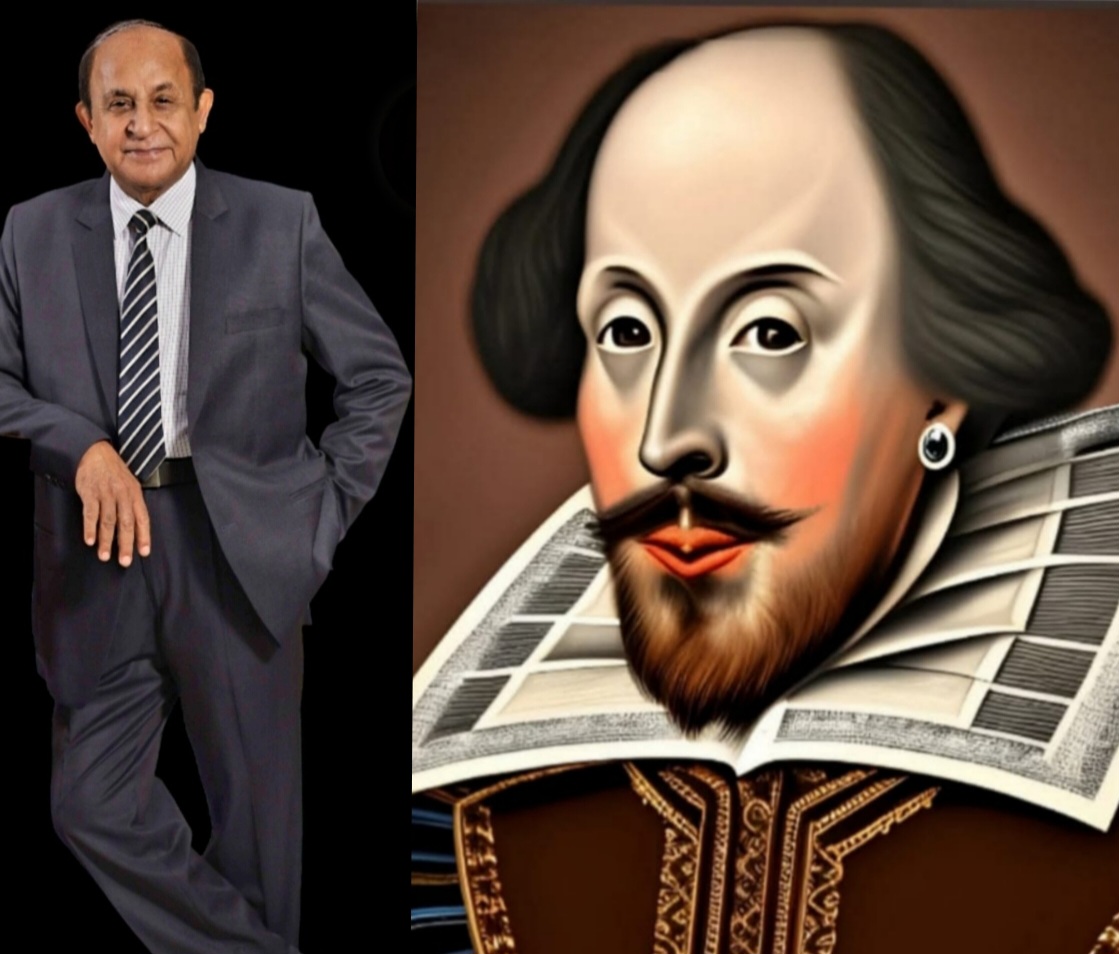
by Krishan Chand Sethi
C’è qualcosa di misterioso nella grandezza. Riconosciamo più facilmente la grandezza dopo che si è manifestata. La storia ci offre un vantaggio: noi conosciamo il finale. Quando guardiamo indietro a Shakespeare, a volte immaginiamo che dovesse conoscere lo straordinario futuro che attendeva le sue parole. Lo immaginiamo mentre scriveva consapevole che, secoli dopo, le sue opere teatrali sarebbero state rappresentate in tutto il mondo, studiate nelle università, tradotte in molte lingue e discusse da generazioni di lettori.
Ma la vita raramente è così chiara. Shakespeare era conosciuto ai suoi tempi. Le sue opere teatrali venivano rappresentate, le sue poesie erano pubblicate ed egli era riconosciuto come un autore teatrale e poeta di successo. Eppure non poteva sapere quale enorme destino letterario avrebbe avuto la sua opera dopo la sua morte. Sapeva ciò che stava scrivendo. Non poteva sapere che cosa la storia avrebbe fatto delle sue parole. E forse è proprio questo che rende la sua storia così profondamente umana. Shakespeare non sapeva ancora che sarebbe diventato Shakespeare.
LA GRANDEZZA NON È SEMPRE VISIBILE
La grandezza, di solito, non si annuncia quando nasce. Una persona può semplicemente fare ciò che sente di dover fare. Nel momento della creazione, il futuro è nascosto. Shakespeare non sedeva alla sua scrivania cercando di diventare un monumento della letteratura mondiale. Era uno scrittore e drammaturgo del suo tempo. Scriveva per i palcoscenici, per gli attori e per il pubblico che vivevano nel suo stesso mondo. Osservava la vita intorno a sé. Vide l’ambizione nascere e cadere. Vide l’amore, la gelosia, il tradimento, l’amicizia, la paura, il potere, la povertà e l’orgoglio. Vide genitori e figli, governanti e sudditi. Dietro ogni posizione sociale comprese che esisteva un essere umano portatore di desideri, debolezze, speranze e paure. Questa potrebbe essere una delle ragioni per cui la sua opera è andata così lontano oltre il suo secolo.
AVEVA COMPRESO L’ESSERE UMANO
La tecnologia cambia rapidamente. Cambiano i vestiti. Cambiano le città. Cambiano le professioni. Cambiano i modi in cui comunichiamo. Eppure l’essere umano continua a portare dentro di sé molte delle stesse domande.
Chi sono?
Chi dovrei amare?
Che cosa desidero veramente?
Quanto è abbastanza?
Perché le persone feriscono proprio coloro che amano?
Perché il successo, a volte, può lasciare una persona vuota?
Perché abbiamo paura di perdere ciò che sappiamo di non poter conservare per sempre?
Queste domande non appartengono a un solo secolo.
I personaggi di Shakespeare rimangono vivi perché non appartengono completamente all’Inghilterra elisabettiana o giacobiana. Appartengono all’umanità. L’ambizioso esiste ancora. Il geloso esiste ancora. La persona sola esiste ancora. Esiste ancora chi ha paura di perdere il potere. Esiste ancora la persona che, invecchiando, si chiede dove siano finiti gli anni. I costumi sono cambiati. Il cuore umano, invece, non è cambiato altrettanto. È qui che la letteratura diventa qualcosa di più del linguaggio. Diventa riconoscimento. Leggiamo un personaggio scritto centinaia di anni fa e, improvvisamente, vediamo qualcosa di noi stessi.
LO SCRITTORE NON CONOSCE IL DESTINO DELLE SUE PAROLE
Ogni scrittore comincia da qualcosa di piccolo: un’osservazione, un ricordo, una ferita, un sentimento o una domanda. Lo scrittore controlla l’inizio, ma non il destino. Una frase scritta nella solitudine può confortare qualcuno molti anni dopo. Un pensiero nato dopo una sconfitta può dare coraggio a uno sconosciuto. Un ricordo familiare può diventare significativo per migliaia di lettori che non hanno mai incontrato lo scrittore. Questo è uno dei silenziosi misteri della scrittura. Quando le parole lasciano lo scrittore, iniziano un’altra vita. Lo scrittore può dimenticarle; i lettori possono ricordarle. Può scrivere per una sola persona, mentre il tempo porta quelle parole a milioni di persone. Nessuno scrittore può prevedere completamente l’importanza della propria opera. Può soltanto essere sincero riguardo a ciò che sta cercando di dire.
NON COMINCIARE CON IL DESIDERIO DI DIVENTARE GRANDE
C’è un pericolo nel voler diventare grandi mentre si crea. Se uno scrittore comincia chiedendosi: «La gente si ricorderà di me?», il futuro può diventare più importante della verità. Il desiderio di riconoscimento può iniziare, silenziosamente, a controllare l’opera. Una domanda migliore è più semplice: «È vero?» Lo scrittore non dovrebbe cominciare inseguendo gli applausi. Dovrebbe cominciare osservando con chiarezza, sentendo con sincerità ed esprimendosi con autenticità. La grandezza, se arriva, dovrebbe essere una conseguenza, non una condizione della creazione. Shakespeare non poteva progettare lo Shakespeare dei secoli successivi. Poteva soltanto scrivere lo Shakespeare del suo momento. Non possiamo controllare come la storia ci accoglierà. Possiamo controllare l’onestà con cui svolgiamo il nostro lavoro.
IL SECONDO AUTORE: IL TEMPO
Forse ogni opera destinata a durare ha due autori: la persona che la crea e il tempo. Il primo autore scrive le parole. Il secondo autore decide se quelle parole continueranno a parlare. Il tempo non è soltanto un distruttore. È anche un selezionatore. Migliaia di libri e poesie vengono scritti e dimenticati. Eppure alcune frasi continuano a trovare lettori molto tempo dopo che le circostanze che le hanno generate sono scomparse. Perché? Perché il tempo elimina molto di ciò che è temporaneo e lascia ciò che conserva un significato. Uno scrittore può piantare un seme senza sapere se diventerà un albero. Shakespeare ha piantato molti di questi semi.
A VOLTE IL TEMPO È UN EDITORE MIGLIORE
Viviamo in un’epoca che misura immediatamente le reazioni. Mi piace, visualizzazioni, follower, condivisioni e commenti possono far sembrare misurabile l’importanza. Ma significato e popolarità non sono sempre la stessa cosa. Alcune parole diventano significative soltanto dopo che la vita ha cambiato il lettore. Un libro può essere letto a vent’anni e compreso in modo completamente diverso a quaranta. Il tempo offre esperienza al lettore. Per questo il tempo può diventare un editor migliore del momento.Il mondo immediato chiede: «Quante persone se ne sono accorte?» Il tempo chiede: «Ha continuato ad avere importanza?»
LA DOMANDA È PIÙ GRANDE DELLA RISPOSTA
È qui che il mio pensiero filosofico, attraverso la Filosofia Sethiana, si collega profondamente alla letteratura. La Dottrina delle Domande parte da una semplice comprensione: il progresso umano nasce dalle domande, non dalle risposte. Una grande opera letteraria non deve necessariamente chiudere ogni domanda. A volte il suo risultato più importante è aprire una domanda nella mente del lettore e lasciarla viva.Shakespeare faceva questo continuamente. Le sue opere non ci dicono semplicemente chi ha ragione e chi ha torto. Mettono gli esseri umani dentro situazioni difficili e ci permettono di vivere i loro conflitti. Ci spingono a riflettere sull’ambizione, sulla vendetta, sull’amore, sulla lealtà, sul potere, sul senso di colpa, sul perdono e sulla mortalità.
Il sipario può calare, ma la domanda rimane. È qui che letteratura e filosofia si incontrano. Entrambe riguardano la ricerca umana di significato. Entrambe ci invitano a guardare di nuovo ciò che pensiamo di comprendere già. Per me, la filosofia è anche il coraggio di continuare a fare domande. La forza duratura di Shakespeare risiede, in parte, proprio in questa apertura. Non ha chiuso la mente umana. L’ha aperta.
Dott. Sethi K.C. – Autore, ideatore della filosofia Sethiana
Daman, India – Auckland, Nuova Zelanda
***
SHAKESPEARE WAS NOT BORN TO BECOME LITERATURE
There is something mysterious about greatness. We recognise it more easily after it has happened. History gives us an advantage: we know the ending.
When we look back at Shakespeare, we sometimes imagine that he must have known the extraordinary future waiting for his words. We picture him writing with an awareness that centuries later his plays would be performed across the world, studied in universities, translated into many languages and discussed by generations of readers.
But life is rarely so clear.
Shakespeare was known in his own time. His plays were performed, his poetry was published, and he was recognised as a successful playwright and poet. Yet he could not have known the enormous literary destiny his work would acquire after his lifetime.
He knew what he was writing. He could not know what history would make of it.
And perhaps that is what makes his story so very deeply human.
Little did Shakespeare know that he was to become Shakespeare.
GREATNESS IS NOT ALWAYS VISIBLE
Greatness does not usually announce itself when it begins. A person may simply be doing what he feels compelled to do. At the moment of creation, the future is hidden.
Shakespeare was not sitting at his desk trying to become a monument of world literature. He was a working writer and dramatist of his time. He wrote for stages, actors and audiences who were living in the same world as he was.
He observed life around him.
He watched ambition rise and fall. He saw love, jealousy, betrayal, friendship, fear, power, poverty and pride. He saw parents and children, rulers and subjects. Behind every social position, he understood, there was a human being carrying desires, weaknesses, hopes and fears.
That may be one reason his work has travelled so far beyond his century.
HE UNDERSTOOD THE HUMAN BEING
Technology changes quickly. Clothes change. Cities change. Occupations change. The ways people communicate change. Yet the human being continues to carry many of the same questions.
Who am I?
Whom should I love?
What do I really want?
How much is enough?
Why do people hurt those they love?
Why can success sometimes leave a person empty?
Why do we fear losing what we know we cannot keep forever?
These questions have no single century.
Shakespeare’s characters remain alive because they do not belong entirely to Elizabethan or Jacobean England. They belong to humanity. The ambitious person still exists. The jealous person still exists. The lonely person still exists. The person frightened by the loss of power still exists. The ageing person who wonders where the years have gone still exists.
The costumes have changed. The heart has not changed nearly as much.
This is where literature becomes more than language. It becomes recognition. We read a character written hundreds of years ago and suddenly see something of ourselves.
THE WRITER DOES NOT KNOW THE DESTINY OF HIS WORDS
Every writer begins with something small: an observation, a memory, a wound, a feeling or a question.
The writer controls the beginning, but not the destiny.
A sentence written in loneliness may comfort someone many years later. A thought written after failure may give courage to a stranger. A family memory may become meaningful to thousands of readers who have never met the writer.
This is one of the quiet mysteries of writing. Once words leave the writer, they begin another life.
The writer may forget them; readers may remember them. He may write for one person, while time carries the words to millions.
No writer can completely predict the importance of his work. He can only be honest about what he is trying to say.
DO NOT BEGIN WITH THE DESIRE FOR GREATNESS
There is a danger in wanting to become great while creating.
If a writer begins by asking, “Will people remember me?” the future can become more important than truth. The desire for recognition may quietly begin to control the work.
A better question is simpler: “Is this true?”
The writer should not begin by chasing applause. He should begin by seeing clearly, feeling honestly and expressing sincerely.
Greatness, if it comes, should be an outcome rather than a condition of creation.
Shakespeare could not have planned the Shakespeare of later centuries. He could only write the Shakespeare of his own moment.
We cannot control how history will receive us. We can control the honesty with which we do our work.
THE SECOND AUTHOR: TIME
Perhaps every enduring work has two authors: the person who creates it and time.
The first author writes the words. The second author decides whether those words continue to speak.
Time is not merely a destroyer. It is also a selector.
Thousands of books and poems are written and forgotten. Yet some sentences continue to find readers long after the circumstances that produced them have disappeared.
Why?
Because time removes much of what is temporary and leaves behind what remains meaningful.
A writer may plant a seed without knowing whether it will become a tree. Shakespeare planted many such seeds.
TIME IS SOMETIMES THE BETTER EDITOR
We live in an age that measures response immediately. Likes, views, followers, shares and comments can make importance seem measurable.
But significance and popularity are not always the same thing.
Some words become meaningful only after life has changed the reader. A book may be read at twenty and understood differently at forty.
Time gives experience to the reader.
Time can therefore become a better editor than the moment.
The immediate world asks, “How many people noticed?”
Time asks, “Did it continue to matter?”
THE QUESTION IS GREATER THAN THE ANSWER
Here my own philosophical thinking, through Sethian Philosophy, becomes closely connected with literature.
The Doctrine of Questions begins with a simple understanding: human progress begins with questions, not answers.
A good work of literature does not necessarily close every question. Sometimes its greatest achievement is to open a question in the reader’s mind and leave it alive.
Shakespeare did this repeatedly.
His plays do not simply tell us who is right and who is wrong. They place human beings inside difficult situations and allow us to experience their conflicts. We are made to think about ambition, revenge, love, loyalty, power, guilt, forgiveness and mortality.
The curtain may fall, but the question remains.
This is where literature and philosophy meet. Both are concerned with the human search for meaning. Both invite us to look again at what we think we already understand.
For me, philosophy is also the courage to keep asking.
Shakespeare’s lasting strength lies partly in that openness. He did not close the human mind. He opened it.
DO NOT WRITE FOR ETERNITY
There is another lesson hidden in Shakespeare’s story.
Do not write merely because you want to be remembered.
The desire for immortality can become a burden, making a person forget to live and create honestly in the present.
A better question is not, “Will people remember me?”
It is, “Have I created something worth remembering?”
The first question belongs to the future, which we cannot control.
The second belongs to the present, where our responsibility actually exists.
Shakespeare did not know how long his work would live. He simply created within his own time. The generations that followed became part of the story.
LITERATURE AS HUMAN CONTINUITY
Shakespeare’s literary afterlife was not created by Shakespeare alone.
Readers read him. Actors performed him. Teachers taught him. Translators carried his words into other languages. Generations found new meanings in old situations.
In this sense, literature is a conversation across time. The writer speaks first; readers and generations answer differently. The conversation continues.
That may be why great literature never remains completely fixed. Every generation brings its own questions to an old work.
Shakespeare belongs to his own century and to every century that continues to find humanity in his writing.
CREATE FIRST. LET TIME SPEAK LATER.
Perhaps the deepest lesson is simple.
Create honestly. See deeply. Question sincerely. Write what genuinely needs to be written.
Do not worry too much about whether the world will immediately recognise its value. Immediate recognition can be pleasant, but it is not the final measure of meaning.
A writer’s responsibility is to the work before it is to the reputation.
Shakespeare was a man of his time. He observed the world around him and transformed what he saw into language, drama and human experience. He could not see the centuries ahead. He could not know the enormous place his work would eventually occupy in world literature.
But perhaps he did not need to know.
Perhaps no creator needs to know.
We often think greatness begins with a person deciding to become great. Perhaps it begins with attention, honesty, curiosity and the courage to express what one sees.
Shakespeare wrote his present.
Time wrote the rest.
And that may be the most human secret of lasting literature: we create what we can today, while the future decides what it will mean tomorrow.
Dr. Sethi K.C. Author, Conceiver of Sethian Philosophy, Daman, India, Auckland, New Zealand