The Fate of Uncle Mammadhasan’s Donkey
Bahtiyar Hidayet, Azerbaijan
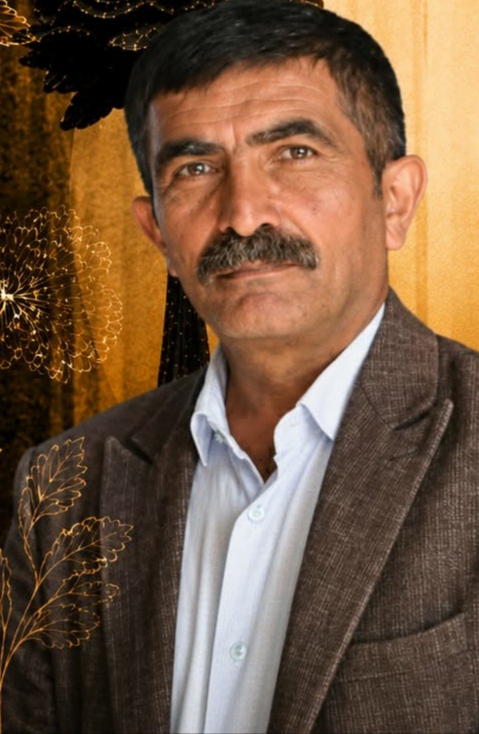
Back then, in those beautiful days,
Uncle Mammadhasan was happy, his family was happy, and his donkey was happy too.
In summer, Uncle Mammadhasan worked at a Pioneer camp.
All the Pioneer children knew his donkey.
The donkey knew them too.
It could even tell the city Pioneer children from the village children.
He took very good care of the donkey.
He bathed it in the river,
burned garma to drive away its flies.
The Pioneer children even fought with each other
for the chance to bathe the donkey.
He had convinced us that
when the donkey was bathed, it rained.
But this time it did not rain.
Bullets rained.
The fire of war flared up.
The war began.
The fire of war drove away fairness, mercy, and conscience
like flies.
Uncle Mammadhasan’s two sons became martyrs.
He settled in a remote village as a refugee.
And his donkey was stolen.
This loss burned Uncle Mammadhasan
as much as the grief for his sons.
In those years there was no natural gas in the district.
Everyone carried firewood with donkeys.
The price of a donkey had gone up;
the value of a human being had gone down.
Uncle Mammadhasan’s donkey
had been sold to firewood traders.
Every day it was under a heavy load.
There was no one who knew its suffering.
And one day it died under its load.
They did not even leave its dead body alone.
They gave it to a sausage factory.
…
These were Uncle Mammadhasan’s last days.
He was eating cheap sausage.
The railway wagon where he lived
was a source of a bad smell.
He ate sausage
at the table where he killed flies with a fly swatter.
The heat gave him no peace either.
He no longer killed flies.
He fanned himself with the fly swatter
to cool himself.
It was real torment of hell.
That donkey’s cleanliness
no longer exists in this world.
I wish I could bathe that donkey
in the river once again.
And with the water
with which I bathed that donkey,
I wish I could put out
all the fires of war.